
Find information on how to make a Protected Disclosure under the external procedures in place in the HEA.
Find information on how to make a Protected Disclosure under the external procedures in place in the HEA.

INSPIRE is a €750 million investment package that will address research infrastructure needs across the higher education sector while ensuring alignment with national research and innovation priorities.
Tracking graduate outcomes is crucial to improving the quality of education for students and outcomes for graduates.
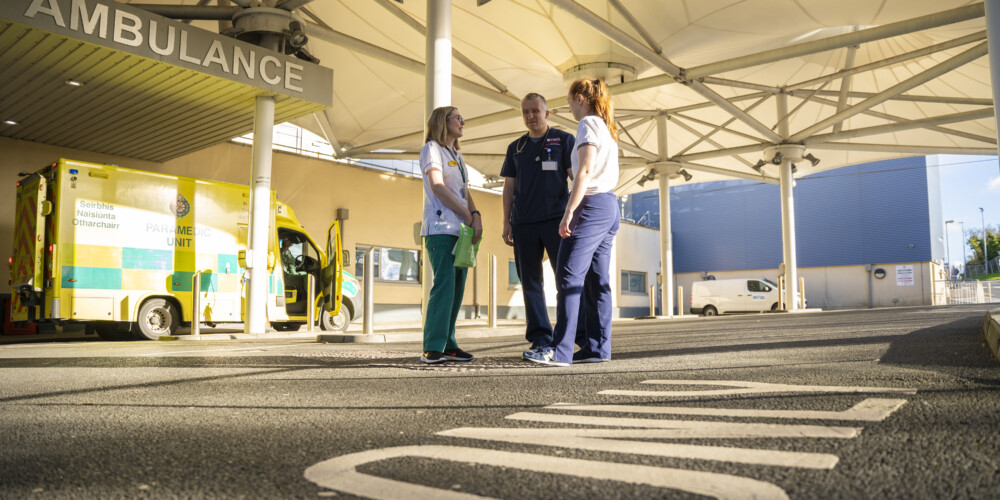
Changing how emergency healthcare is delivered to older adults
University of Limerick’s Ageing Research Centre (ARC) is a leading interdisciplinary research centre focused on improving health and wellbeing for older adults. In collaboration with clinical colleagues in the Mid-West Health Region, policy makers from the National Clinical Programme for Older People, and the National Emergency Programme and academic colleagues at Trinity College Dublin, a multidisciplinary team of academics and researchers at ARC undertook research that addresses a critical gap in how Emergency Departments (ED) deliver care to older adults. Co-designed with older adults, the research, led by Professor Rose Galvin, explores how early assessment and intervention by a dedicated team of Health and Social Care Professionals (HSCPs) can improve the quality, safety and efficiency of care for older adults attending Emergency Departments (EDs), while also reducing pressure on hospital services, and supporting health service reform.
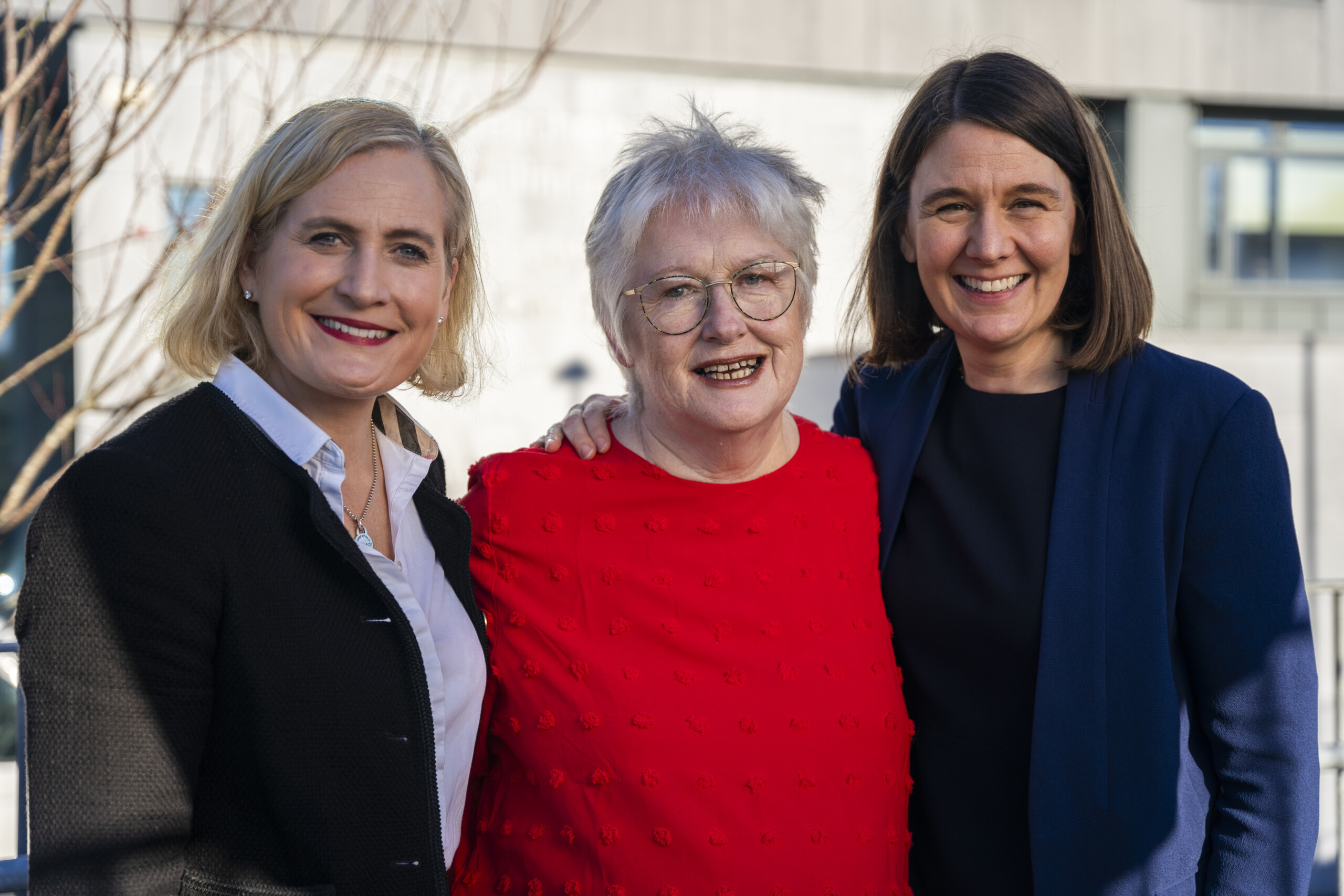
Figure 1: Professor Rose Galvin, Co-Director, Ageing Research Centre (ARC), University of Limerick, Una Breen Member of ARC stakeholder panel of older adults and family carers, Professor Katie Robinson, Co-Director of Ageing Research Centre.
Ireland’s population is one of the fastest ageing countries in Europe. By 2031 there will be more than one million older adults in Ireland, an increase from 13% to 20% of our overall population. Older adults are a rapidly growing and increasingly important group of emergency healthcare users. Approximately one in four people attending the ED are aged 65 years or older, and up to 50% of these older adults subsequently get admitted to hospital. These older adults consistently face longer waits, a loss of independence, functional decline, and a higher risk of returning to hospital shortly after discharge. In a health system already at capacity, this creates a cycle that is both distressing for older people and unsustainable for public services.
To address these challenges, we implemented OPTIMEND in 2018, a randomised controlled study, to address questions on effectiveness in emergency care for patients aged 65 years or older.
From the outset, stakeholder engagement was central to the initiative. We brought together 65 participants including older adults, family carers, clinicians and healthcare managers to co-design a new model of care.
The OPTIMEND study involved 353 older adults presenting with lower urgency complaints to the emergency department in the university teaching hospital. Older adults who were identified as eligible, either through a triage system or via consultation with the Emergency Medicine staff, received assessment and intervention from a dedicated HSCP team, which included a Physiotherapist, an Occupational Therapist and a Medical Social Worker in addition to the Emergency Medicine staff. To evaluate the effectiveness of the intervention, a control group received treatment as usual (TAU) to represent care that patients would routinely receive in the ED.
We investigated the implementation and delivery of the initiative through analysis of HSCP team activity notes, participant recruitment logs, and stakeholder interviews. Outcomes were assessed at admission, after 30 days, and after 6 months by a researcher nurse who was unaware of participant’s group allocation. All data were anonymised to ensure integrity and reliability of the evaluation findings.
Improving Outcomes for Older Adults
Our OPTIMEND trial represents a landmark study in Ireland, as it is the first to evaluate early assessment and intervention for older people by a dedicated HSCP team in an ED setting. OPTIMEND has changed how services are offered to older adults in EDs and demonstrated that early assessment and intervention by a dedicated team of HSCP can significantly improve health, quality, and safety outcomes.
Older adults who received the intervention (176 participants) spent significantly less time in the ED than those who received usual care (177 participants), with an average stay of 6.4 hours compared to 12.1 hours. They were also less likely to be admitted to hospital (19.3% versus 55.9%), reported greater satisfaction with their ED visit, and showed better physical function, mobility, and ability to care for themselves 30 days after their visit.
Six months after their visit, patients in the intervention group reported significantly lower rates of unscheduled hospital admissions, better function and better self-care compared to the control group.
Economic impact
The benefits of OPTIMEND extended beyond patient outcomes. Economic evaluation showed that the HSCP model delivered better health outcomes while also reducing healthcare costs, generating on average savings of more than €6,000 per patient. By reducing hospital admissions and length of stay, the intervention delivered measurable savings for the healthcare system and provides compelling evidence for wider adoption of the model across Irish emergency departments.
Dissemination and Policy Influence
The findings from OPTIMEND have been widely disseminated across social media platforms, national print, radio media, national and international conferences, and through academic publications.
The evidence generated addresses key priorities outlined in national and international strategies relating to emergency and integrated care for older adults. OPTIMEND research findings have also informed policy, with the study cited in the Health and Social Care Professions Strategy 2021–2026 as an evidence-based model of practice. In addition, we have worked with the National Clinical Advisor and Group Lead for Older Persons (NCAGL OP) and representatives from Emergency Departments across Ireland to develop national guidelines to define core standards of care for older adults, known as Frailty at the Front Door Services.
ARC’s Public and Patient Involvement (PPI) panel of older adults and family carers provides members with the opportunity to be involved in a range of research activities, from co-authoring journal papers to involvement in dissemination activities including production of conference presentations and podcasts. A testimonial from Una Breen, ARC stakeholder panel member summarises this collaborative relationship:
“Being part of the Ageing Research Centre, I actually think it’s amazing. The Ageing Research Centre has allowed older people like myself to actually have a voice. We’re not looking for the earth really, we’re just looking to be treated like human beings — and it’s lovely. The Ageing Research Centre does that.”
Building Research Capacity and Strengthening the Workforce
OPTIMEND has also contributed to the development of research and clinical leadership capacity within the Irish healthcare system.
Placement of pre-registration allied health students as student practitioners among HSCP teams in EDs is also supporting expansion of education, research and health services capacity across Ireland. Research findings, together with practical implementation guidance, have informed staff training, supporting more consistent, timely and person-centred care nationwide.
Through involvement in OPTIMEND, clinicians and allied health professionals were mentored and supported to complete postdoctoral research, with three HSCPs completing their PhDs and progressing to senior leadership roles within the HSE.
Beyond its direct impact on patient care, OPTIMEND has strengthened partnerships between healthcare providers and researchers, supporting a shared vision for the Mid-West as a fully integrated health region and a national living laboratory for health services research and innovation.
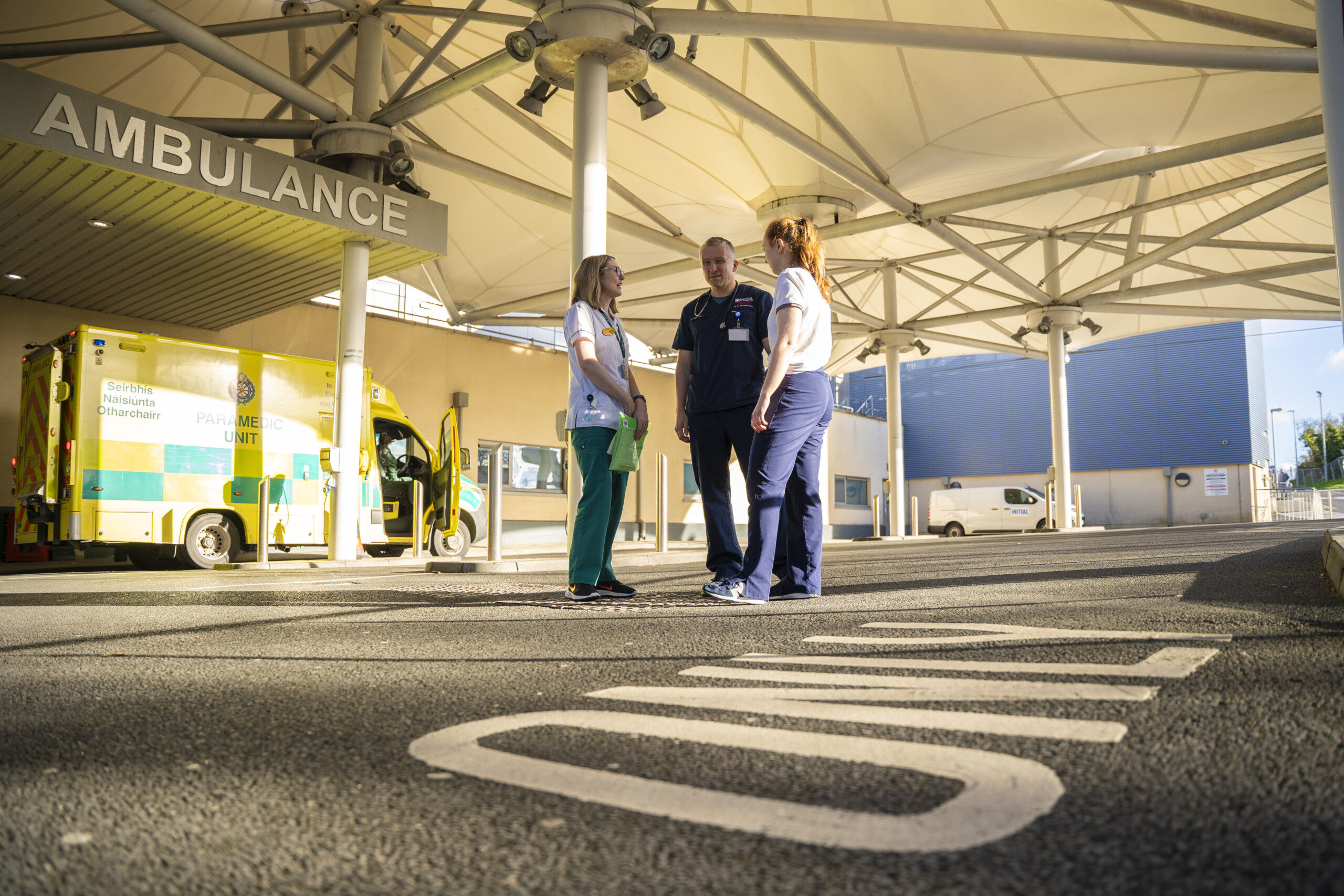
Figure 2: L to R Dr Íde O’Shaughnessy, Clinical Specialist Occupational Therapist, Dr Denys Shchetkovsky Consultant in Emergency Medicine, Dr Susan Williams, Clinical Specialist Physiotherapist, Emergency Department, University Hospital Limerick