
Find information on how to make a Protected Disclosure under the external procedures in place in the HEA.
Find information on how to make a Protected Disclosure under the external procedures in place in the HEA.
INSPIRE is a €750 million investment package that will address research infrastructure needs across the higher education sector while ensuring alignment with national research and innovation priorities.
Tracking graduate outcomes is crucial to improving the quality of education for students and outcomes for graduates.
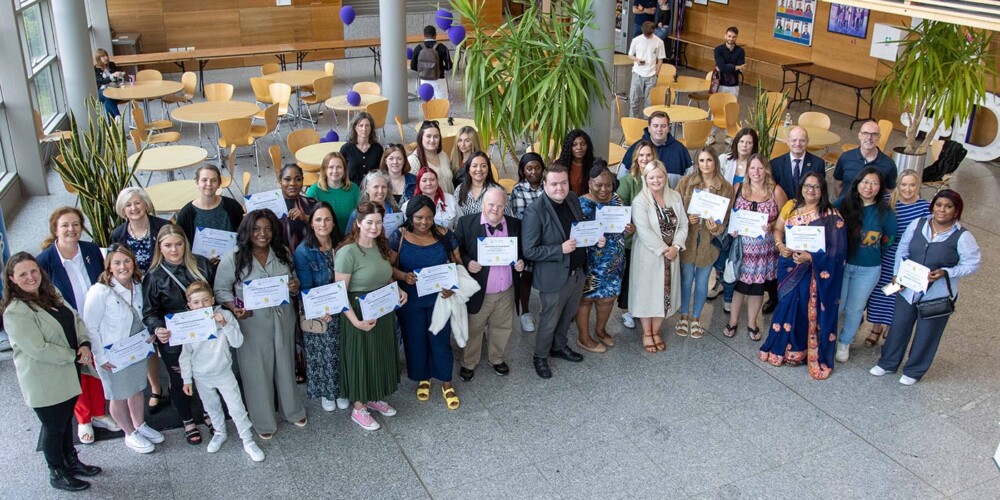
Transformative community education: Pathways supporting disadvantaged communities to access higher education
Pathways and Headstart are two community education programmes delivered by Dundalk Institute of Technology (DkIT) in partnership with Louth Local Development (LLD), which provide supported access routes for the most disadvantaged communities who have not traditionally been able to access higher education.
The academic coordination of the initiative is managed by Johdi Quinn in the Department of Business Studies at DkIT, involving management and faculty, alongside support from cross-institution services.
National data demonstrates the undeniable correlation between socio-economic and educational disadvantage. In the 2016 census many parts of County Louth were given the HP Deprivation category of either ‘disadvantaged’ or ‘very disadvantaged’. Other counties served by DkIT (Monaghan, Cavan) were similarly recorded as some of the most disadvantaged in the State.
In 2017 and 2018, DkIT and its community partner Louth Local Development developed Pathways and Headstart, a community education initiative designed to address the poor level of access to higher education in County Louth and beyond.
Intended beneficiaries of the initiative included low-income households, ethnic minorities, refugees and asylum seekers, the long-term unemployed, lone parents, and people with disabilities or mental-health issues. The goal for the initiative was to break down generational cycles in these communities, changing mindsets and supporting beneficiaries to believe that education is open to them.
Pathways was established in 2017 as a 14-week programme designed to give adults the opportunity to experience higher education in the surrounds of their local community centres. Headstart was developed in 2018 as a 10-week follow-on programme delivered on campus, aimed at supporting participant’s self-confidence by building skills and removing perceived obstacles.
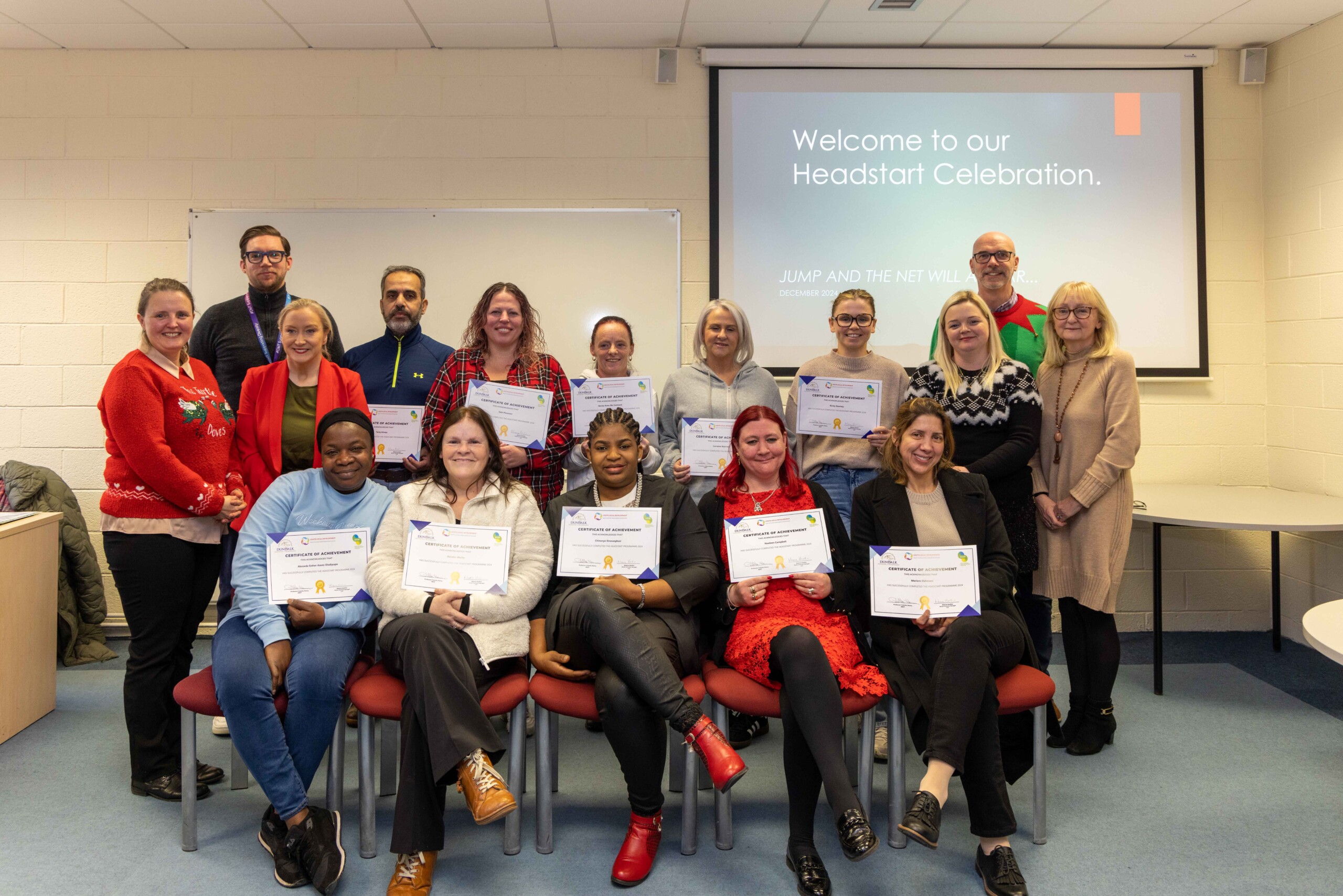
Figure 1: Headstart 2024 Cohort Graduation
The initiative was funded under the Social Inclusion and Community Activation Programme (SICAP). DkIT deployed resources such as lecturing staff, management and administration, student support services such as Careers & Employability, and classrooms. Louth Local Development utilised their community networks to recruit, support and guide beneficiaries into, through and beyond the programmes.
The initiative evolved and was adapted over several years, informed by ongoing evaluation and the incorporation of feedback from myriad sources, including qualitative and quantitative evidence gathering tools, regular evaluative meetings between the DkIT and LLD programme team, and participant feedback in general.
Resulting academic modifications included:
The initiative also developed in response to participants needs and changing contexts:
Since 2017, a total of 325 students have graduated from the programmes:
The beneficiaries of the initiative have included people with disabilities (intellectual and physical), people with addiction issues, teenage parents, refugees, Irish Travellers, young people in the care of the State, youth attending Youthreach or similar programmes, student carers, ‘second chance’ mature learners, those in the criminal justice system, and people who are homeless.
Findings from a broad thematic analysis of participant feedback illustrated that following successful completion of the programmes, participants felt more comfortable with learning, having broken down many of their barriers to education, and ultimately felt that education was more open to ‘people like them’.
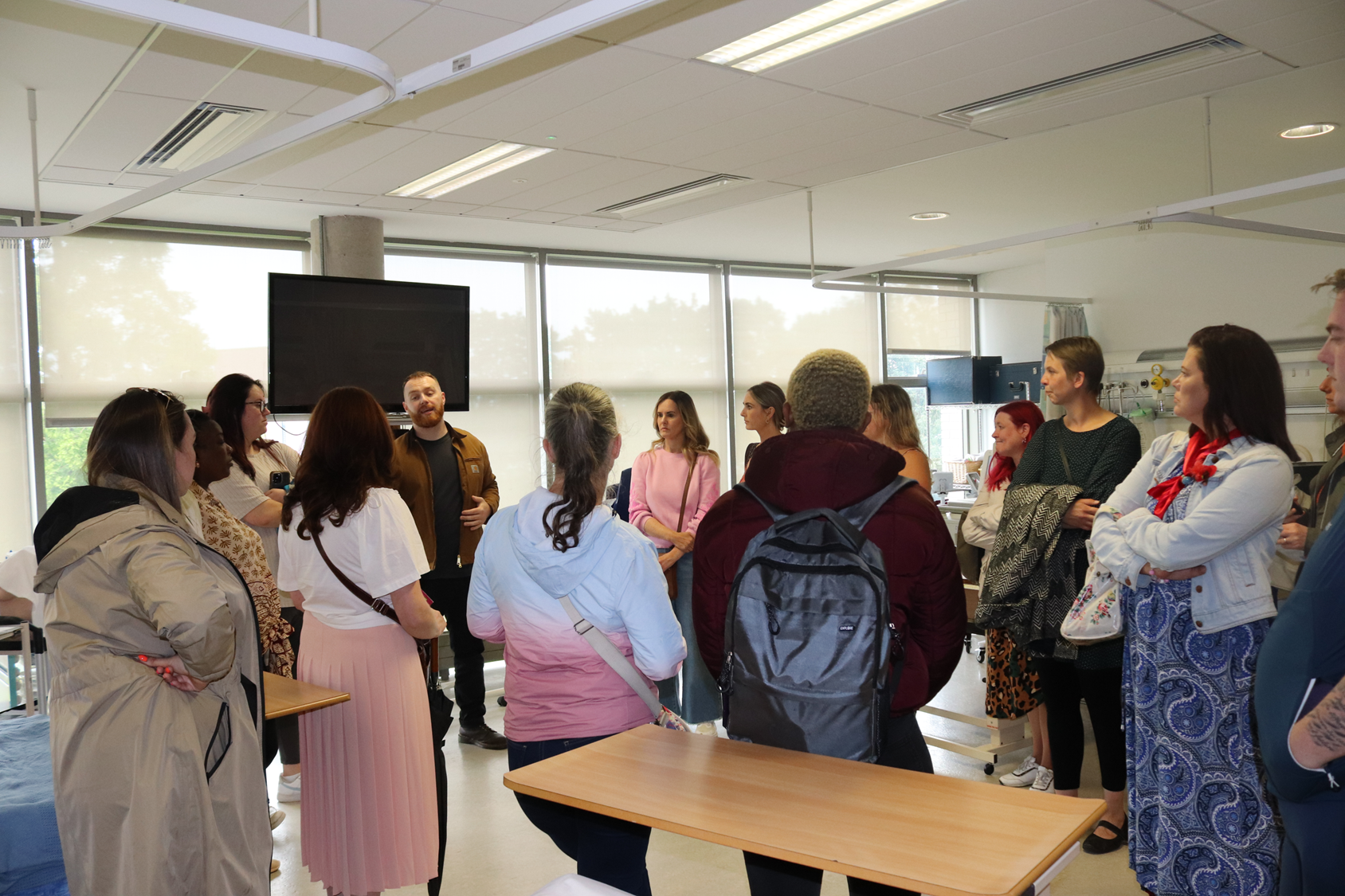
Figure 2: Pathways 2023 Cohort DkIT Campus Tour
DkIT also currently has graduates from both programmes in three of its four academic Schools. Feedback from lecturers indicates that these students tend to be amongst the most enthusiastic and engaged students in their classrooms. Evidence from Programme Directors, Student Services and a range of other Institute-wide services illustrates that they are more inclined to volunteer as student ambassadors for induction events and School open-days. Many Pathways and Headstart graduates currently studying at DkIT are also advocates for the two programmes and pro-actively recruit and support others from their communities to attend and complete the courses. This peer learning has proven invaluable to current participants for confidence building and dismantling fears of higher education.
Student outcomes demonstrate the success of these programmes:
Differential impacts among several cohorts were also demonstrated:
The testimonials of Pathways and Headstart students, current and graduate, demonstrate the significance this initiative has had in their lives:
‘The biggest most rewarding thing for me…is realising I’m not just a single parent, mam to my four children, and a carer to my Autistic daughter. I can be all of those things and so much more. I’m on the road to finding myself again and I am loving every minute of it’.
‘By the end of the presentation session, I was feeling so proud of everyone in the group that they stood up and gave it their best in such a vulnerable situation. I felt privileged to be a part of this experience’.
‘I was absolutely mind blown by the programme. The intense emotions I felt hearing the stories from others on the course was a swirl of gratitude, compassion, sadness…I felt heartbroken for some but above all hope and immense courage’.
‘I suffered mentally for a couple of years… I never thought I’d achieve anything academic. I never thought I’d be sitting here in DkIT today, but here I am’.
The initiative was shortlisted for the Aontas Star Special Recognition Award in 2022.
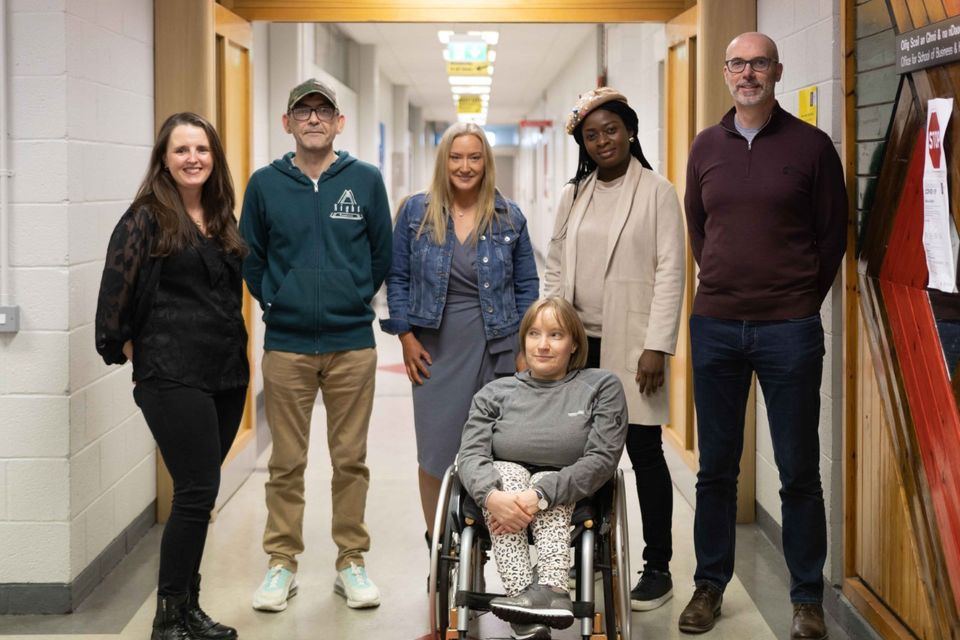
Figure 3: (L-R) Johdi Quinn (DkIT), Tony Carolan (Student), Maeve Harkin (Louth LEADER Partnership), Mary Aylward (Student), Elizabeth Awosanya (Student), Dr. Brian Boyd (DkIT)
Long term results:
Pathways and Headstart were community education programmes established to provide supported access routes for communities who had not traditionally accessed higher education. The design of the initiative was research- and evidence-based, and as such, resulted in a number of key learnings throughout its growth and development: